Planning Your Renovation Project
Starting a renovation requires thoughtful planning before any construction begins. Homeowners who skip this phase often face budget overruns, timeline delays, and disappointing results. In California’s competitive real estate market, many residents invest in upgrades to increase property value or adapt spaces to modern living needs.
Begin by defining your goals. Are you updating outdated finishes, improving functionality, or preparing to sell? Each objective demands a different approach. For kitchen renovations, consider the workflow between sink, stove, and refrigerator. For bathroom updates, evaluate storage solutions and moisture-resistant materials. Living areas benefit from open floor plans that maximize natural light, particularly valued in coastal regions where sunshine is abundant year-round.
Establish a realistic budget that includes a 15-20 percent contingency for unexpected issues. Older homes often reveal hidden problems once walls open up. Set priorities for must-have features versus nice-to-have additions. Quality materials in high-traffic areas deliver better long-term value than premium finishes everywhere.
Timeline expectations should account for permit approvals, material lead times, and contractor availability. In Orange County and surrounding areas, permit processing can take several weeks. Supply chain delays occasionally affect specialized materials like custom tile or imported fixtures. Building buffer time into your schedule prevents frustration and allows for proper craftsmanship rather than rushed work.
Kitchen Transformation Strategies
The kitchen serves as the heart of most homes, making it a top priority for upgrades. This space combines aesthetics with functionality, requiring careful attention to both form and purpose. California homeowners frequently prioritize kitchens because they influence daily living quality and significantly impact resale value.
Cabinetry represents the largest visual element and budget item. Decide between refacing existing cabinets or complete replacement based on structural condition. Soft-close hinges and full-extension drawers add convenience. Deep drawers accommodate pots and pans more efficiently than traditional cabinets. Corner solutions like lazy susans maximize awkward spaces.
Countertop selection balances durability, maintenance, and appearance. Quartz offers consistent patterns and resists staining without sealing. Granite provides unique natural variations but requires periodic sealing. Tile countertops allow creative design but demand more grout maintenance. Consider countertop height for users; standard 36-inch height works for most adults, but taller individuals appreciate 38-inch heights for prep areas.
Backsplashes protect walls while adding visual interest. Tile options range from classic subway patterns to intricate mosaics. Glass tile reflects light beautifully in smaller kitchens. Larger format tiles minimize grout lines for easier cleaning. Extend backsplashes to the ceiling behind ranges for a dramatic focal point and practical splatter protection.
Lighting layers create versatility. Recessed ceiling fixtures provide general illumination. Under-cabinet strips eliminate shadows on work surfaces. Pendant lights over islands add ambiance and task lighting. Dimmer switches allow adjustment for cooking versus entertaining. Natural light from windows or skylights reduces daytime electricity use, particularly valuable given California’s emphasis on energy efficiency.
Bathroom Upgrade Essentials
Bathroom renovations deliver substantial comfort improvements and return on investment. These smaller spaces pack complex systems into tight quarters, requiring precise planning. Coastal California homeowners particularly value spa-like retreats that provide relaxation after beach activities or busy workdays.
Layout modifications depend on existing plumbing locations. Moving drains adds significant cost due to concrete work. Consider whether improved function justifies the expense. Walk-in showers with curbless entries suit aging-in-place goals and create seamless visual flow. Freestanding tubs make statements but require adequate floor space.
Tile selection affects both aesthetics and safety. Floor tiles need slip-resistant textures, especially in wet areas. Larger format tiles reduce grout lines, speeding maintenance. Porcelain withstands moisture better than natural stone in shower enclosures. Accent tiles add personality without overwhelming small rooms. Heated floor systems add luxury and dry surfaces quickly, reducing slip hazards.
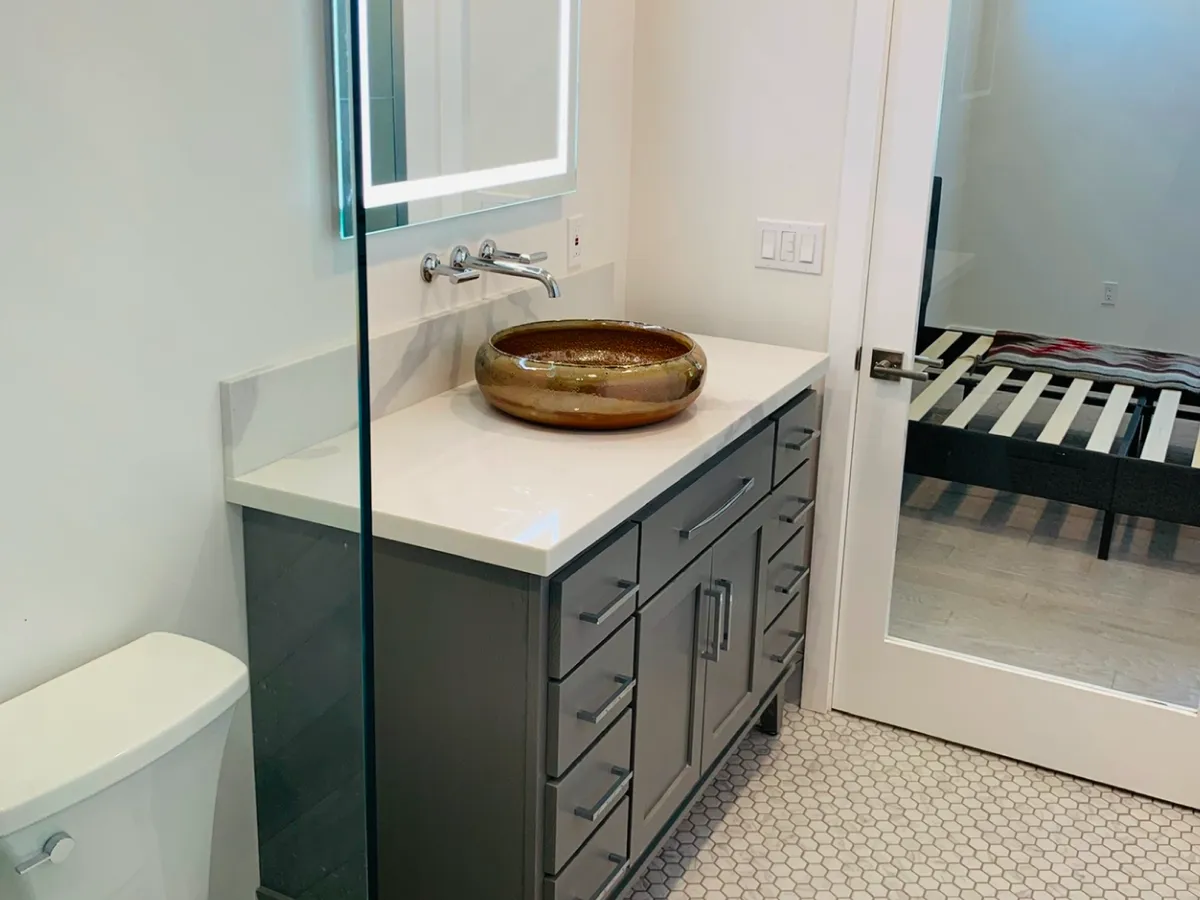
Vanity choices impact storage and style. Floating vanities create open feels and simplify floor cleaning. Traditional cabinets offer more storage for families sharing spaces. Double sinks accommodate couples on tight morning schedules. Adequate electrical outlets near mirrors support hair tools and electric toothbrushes. Medicine cabinets recessed into walls save space while hiding daily necessities.
Ventilation prevents moisture damage and mold growth. Properly sized exhaust fans remove humidity during showers. Timers or humidity sensors ensure fans run long enough to dry the space. Windows provide natural ventilation when weather permits. In Orange County’s mild climate, operable windows work most months, reducing fan reliance and energy consumption.
Living Space Enhancements
Living areas set the tone for entire homes. These spaces accommodate diverse activities from entertaining guests to quiet family evenings. California’s indoor-outdoor lifestyle influences design choices, with many homeowners seeking seamless transitions to patios or yards.
Open floor plans remain popular, removing walls between kitchens, dining areas, and living rooms. This approach maximizes natural light penetration and facilitates conversation during gatherings. Support beams may be necessary when removing load-bearing walls, affecting budgets and timelines. Consult structural engineers before major demolition to ensure safety and code compliance.
Flooring unifies spaces visually. Hardwood offers timeless appeal and refinishing potential. Luxury vinyl planks mimic wood appearance while resisting moisture and scratches. Tile provides durability in high-traffic zones and transitions smoothly to outdoor areas. Consistent flooring throughout main living spaces creates flow and makes rooms appear larger.
Built-in features add character and function. Floor-to-ceiling bookcases frame fireplaces beautifully. Window seats maximize bay window potential while adding seating. Custom entertainment centers hide electronics when not in use. These permanent additions distinguish homes from generic alternatives and often appeal to future buyers.
Paint color influences mood and perceived space size. Lighter neutrals reflect sunshine and expand visual boundaries. Accent walls add depth without overwhelming rooms. Consider how natural light changes throughout the day. North-facing rooms benefit from warm tones, while south-facing spaces handle cooler palettes. Test samples on multiple walls before committing to entire rooms.
Choosing Professional Partners
Selecting qualified professionals determines project success. Skilled tradespeople transform visions into reality while navigating technical challenges and code requirements. Poor contractor choices lead to substandard work, delays, and budget overruns that tarnish the entire experience.
Research candidates thoroughly before committing. Verify licenses and insurance coverage to protect against liability. Check references from recent projects similar in scope to yours. Visit completed jobs when possible to assess quality firsthand. Online reviews provide insights but should be balanced with direct conversations.
Detailed written contracts protect all parties. Specifications should cover materials, timelines, payment schedules, and change order procedures. Clarify who obtains permits and schedules inspections. Address cleanup expectations and work hour limitations. Clear agreements prevent misunderstandings that strain relationships during stressful construction phases.
Communication patterns emerge early in relationships. Responsive contractors answer questions promptly and explain options clearly. They provide realistic assessments rather than promising unrealistic results. Trust your instincts about compatibility, as you will interact frequently throughout the project. Professional behavior includes respecting your property, maintaining clean work areas, and honoring commitments.
For projects involving specialized tile work, partnering with experienced installation teams ensures lasting results. Quality craftsmanship in flooring and wall applications requires precision, proper substrate preparation, and attention to waterproofing details. Hardey Tile brings years of construction knowledge to residential projects throughout Huntington Beach and surrounding communities in CA. Their commitment to premium materials and proven techniques means your renovated spaces will maintain beauty and function for decades. Whether updating a single bathroom or undertaking whole-home transformations, working with dedicated professionals who understand California building standards and design preferences makes the journey smoother and outcomes more satisfying.